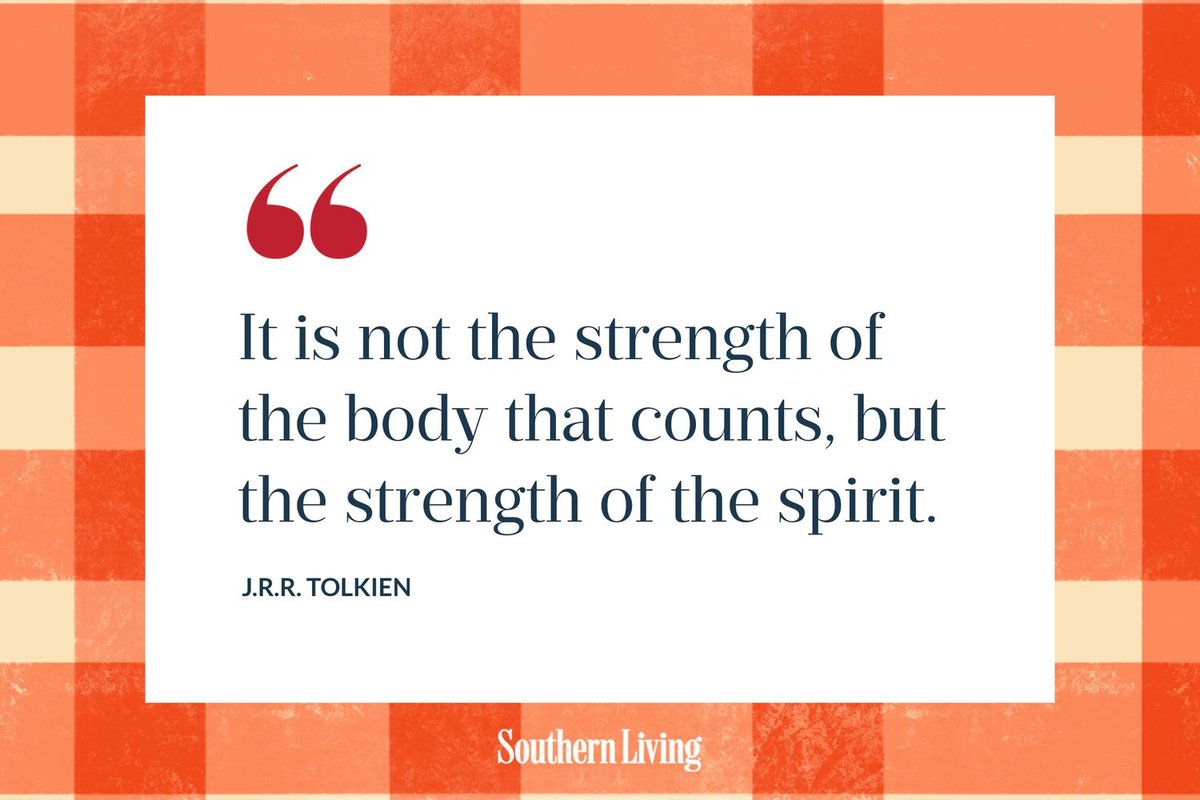
Strength Quotes
Content about Strength Quotes (Auto-generated fallback due to API error).
Feeling paralyzed by fear is a universal human experience. But knowing what to do and finding the words of courage and strength to actually do it are two different things. It's not just about reciting affirmations; it's about understanding the anatomy of courage and how to build it, one small victory at a time.
At a glance:
- Learn to identify the specific fears holding you back.
- Discover practical techniques to reframe fear and build confidence.
- Understand how vulnerability and imperfection are key ingredients in courage.
- Develop a personalized action plan to start facing your fears today.
Courage: More Than Just a Feeling
Courage isn't a superpower reserved for a select few. It's a muscle that grows stronger with use. It's about showing up despite the fear, acting even when you're uncertain, and speaking your truth even when your voice trembles. As Maya Angelou wisely stated, "Courage is the most important of all the virtues because without courage, you can't practice any other virtue consistently."
Dissecting Your Fears: The First Step to Strength
Before you can conquer your fears, you need to understand them. What exactly are you afraid of? Is it the fear of failure, rejection, public speaking, or something else entirely?
- Identify the root cause: Ask yourself "Why?" repeatedly to drill down to the core of your fear. For example, if you fear public speaking, is it because you're afraid of being judged, making mistakes, or forgetting what to say?
- Assess the likelihood and impact: How likely is your fear to come true, and what would be the actual consequences if it did? Often, our fears are based on worst-case scenarios that are unlikely to happen or wouldn't be as devastating as we imagine.
- Challenge your thoughts: Are your fears based on facts or assumptions? Are you exaggerating the potential risks or downplaying your ability to cope?
Reframing Fear: Turning Obstacles into Opportunities
Once you understand your fears, you can start to reframe them in a more positive and empowering light.
- See fear as a signal: Instead of viewing fear as a stop sign, see it as a signal that you're stepping outside your comfort zone, which is where growth happens.
- Focus on the potential rewards: What could you gain by facing your fear? More confidence, new skills, stronger relationships, or a greater sense of fulfillment?
- Break it down: Divide your fear into smaller, more manageable steps. For example, if you're afraid of starting a new business, start by doing market research, writing a business plan, or talking to other entrepreneurs.
The Power of Small Wins: Building Momentum
Courage isn't about making grand, sweeping gestures. It's often about taking small, consistent steps in the face of fear. Each small win builds confidence and makes it easier to tackle bigger challenges.
- Start with something easy: Choose a fear that's relatively low-stakes and easy to overcome. This will give you a quick win and boost your confidence.
- Celebrate your progress: Acknowledge and celebrate every step you take, no matter how small. This will help you stay motivated and build momentum.
- Be patient and persistent: Overcoming fear takes time and effort. Don't get discouraged if you experience setbacks. Just keep moving forward, one step at a time.
Consider the story of Sarah, who was terrified of networking. She started by simply saying hello to one new person at each event. Eventually, she worked her way up to initiating conversations and building genuine connections. These small acts snowballed, leading to career opportunities she never thought possible.
Embrace Vulnerability: The Foundation of True Courage
Brené Brown famously said, "Being vulnerable is the ultimate act of courage." Vulnerability is about being authentic, open, and honest about your thoughts, feelings, and experiences – even when it's uncomfortable.
- Share your story: Talk to trusted friends, family members, or a therapist about your fears and challenges.
- Ask for help: Don't be afraid to admit that you're struggling and ask for support.
- Embrace imperfection: Accept that you're not perfect and that you're going to make mistakes. Learn from your mistakes and keep moving forward.
Strength Through Action: From Intention to Reality
While positive thinking and affirmations can be helpful, they're not enough. Courage requires action. As Dale Carnegie said, "Action breeds confidence and courage. Inaction breeds doubt and fear."
- Create a plan: Develop a concrete plan for facing your fear, with specific goals, timelines, and action steps.
- Take the first step: Don't wait for the perfect moment. Take the first step, even if it's small and imperfect.
- Be consistent: Follow through with your plan, even when you don't feel like it. The more you act, the more courageous you'll become.
If you seek broader inspiration, Find Courage Through Quotes offers a wealth of perspectives on bravery and resilience.
The Courage to Stand Up for Others
Courage isn't just about facing your own fears; it's also about standing up for what's right, even when it's difficult or unpopular.
- Speak out against injustice: Use your voice to challenge discrimination, inequality, and other forms of injustice.
- Support those who are vulnerable: Offer help and support to those who are struggling or marginalized.
- Be a role model: Show others that it's possible to be courageous and stand up for what's right.
Overcoming Common Pitfalls
- Perfectionism: The pursuit of perfection can paralyze you with fear of failure. Remember that progress, not perfection, is the goal.
- Procrastination: Putting things off only amplifies your fear. Break tasks into smaller steps and tackle them one at a time.
- Negative self-talk: Challenge negative thoughts and replace them with positive and encouraging ones.
- Comparing yourself to others: Focus on your own journey and celebrate your own progress, rather than comparing yourself to others.
Practical Playbook: Build Your Courage Toolkit
Here's a quick start guide to incorporate words of courage and strength into your life:
- Fear Inventory: List your top 3 fears.
- Root Cause Analysis: For each fear, ask "Why?" at least 5 times.
- Reframing Exercise: Rewrite each fear as an opportunity for growth.
- Small Win Challenge: Identify one small action you can take today to move toward facing one of your fears.
- Vulnerability Practice: Share your fears with a trusted friend or family member.
Quick Answers: Addressing Common Concerns
Q: What if I'm afraid of failure?
A: Failure is an inevitable part of life. View it as a learning opportunity and a chance to grow. Thomas Edison famously failed thousands of times before inventing the light bulb. Each failure brought him closer to success.
Q: How can I stay motivated when I'm facing a setback?
A: Remind yourself of your goals, celebrate your progress, and seek support from others. Don't be afraid to adjust your plan if needed. Remember Napoleon Bonaparte's quote: "Courage isn't having the strength to go on but going on when you don't have strength".
Q: Is it okay to be afraid?
A: Absolutely! Fear is a natural human emotion. It's what you do with your fear that matters. Don't let it paralyze you. Use it as a signal to step outside your comfort zone and grow.
Q: What if I don't feel strong enough?
A: You are stronger than you think. You've overcome challenges in the past, and you can overcome this one too. Focus on your strengths, seek support from others, and remember that even small acts of courage can make a big difference.
Q: How can I be more vulnerable?
A: Start small. Share a small personal detail with someone you trust. Practice active listening and empathy. Be authentic and real. Remember that vulnerability is a strength, not a weakness.
Your Courage Journey Starts Now
Finding your words of courage and strength is a lifelong pursuit. It's about consistently choosing to face your fears, embracing vulnerability, and taking action, even when it's difficult. Remember, courage isn't the absence of fear, but the triumph over it. Start small, be patient, and celebrate your progress. You've got this.