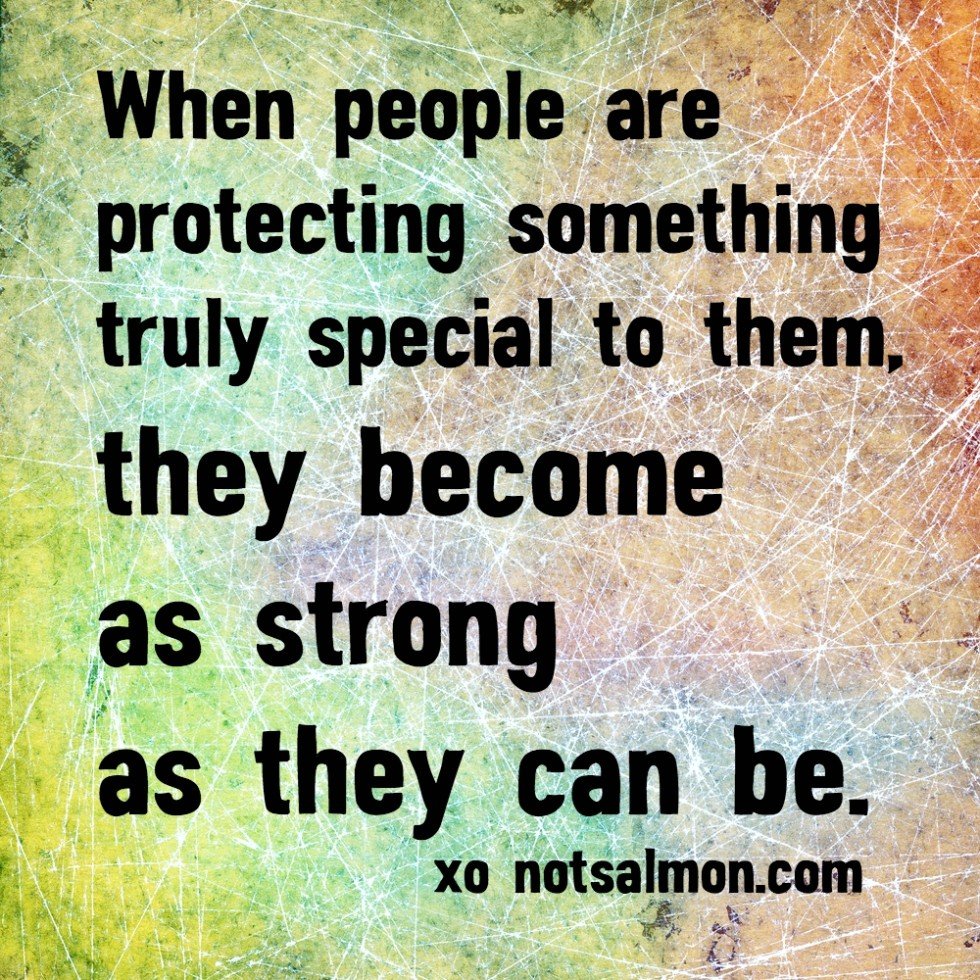
Strength Quotes
Content about Strength Quotes (Auto-generated fallback due to API error).
For the bigger picture and full context, make sure you read our main guide on When Things Get Hard Quotes: Inspiration to Keep Going.
markdown
Ever feel like you're staring down a mountain? We all do. Sometimes a well-placed "tuff quote" – a short burst of perspective and grit – is exactly what you need to keep climbing. It's not about magically erasing the difficulty, but about refueling your resolve.
At a glance:
- Discover how carefully selected quotes can shift your perspective during challenging times.
- Learn to identify the specific type of "tuff quote" that resonates most with your current struggle.
- Implement a simple strategy for using quotes to build resilience and maintain momentum.
- Understand the common pitfalls of relying solely on quotes and how to avoid them.
- Find practical steps to internalize the wisdom of these quotes for lasting impact.
Why "Tuff Quotes" Work: More Than Just Words
We've all seen inspirational quotes plastered across social media, but their true power lies in their ability to resonate with our personal experiences. A "tuff quote" isn't just a pretty saying; it's a shortcut to distilled wisdom, a reminder of our own strength, and a beacon when we're lost in the dark.
Think of Nelson Mandela's "It always seems impossible until it's done." This isn't just a feel-good slogan. It’s a testament to a lifetime of struggle and eventual triumph. Remembering this can help us push through our own seemingly impossible tasks.
Choosing the Right Quote for the Right Fight
Not all quotes are created equal. What motivates one person might fall flat for another. The key is to find quotes that align with your specific challenge and personal values.
Consider these categories:
- Resilience Quotes: For bouncing back from setbacks (e.g., Maya Angelou's focus on spirit).
- Perseverance Quotes: For sustained effort despite obstacles (e.g., Confucius' "It does not matter how slowly you go as long as you do not stop.”).
- Courage Quotes: For facing fear and uncertainty (e.g., quotes highlighting courage as the ability to try again).
- Perspective Quotes: For shifting your mindset and seeing things differently (e.g., quotes about the power of positive thoughts, like those from the Dalai Lama).
Example: Let's say you're facing a project deadline that feels impossible. A resilience quote might not be the best fit. Instead, a perseverance quote, like Churchill's "If you're going through hell, keep going," could provide the necessary fuel to keep pushing forward. You can Find strength and inspiration in many such quotes.
Weaving Quotes into Your Daily Routine: A Practical Playbook
The real magic happens when you actively integrate these quotes into your life. Here’s a step-by-step approach:
- Identify Your Struggle: Be specific about the challenge you're facing. Vague problems require equally vague, and unhelpful, solutions.
- Find Your Quote: Search for quotes that directly address your struggle. Use keywords like "perseverance," "resilience," "courage," or "mindset" along with your specific challenge.
- Make it Visible: Write the quote down and place it where you'll see it frequently – your desk, your mirror, your phone background.
- Reflect and Adapt: Don't just read the quote; actively reflect on its meaning and how it applies to your situation. How can you embody the spirit of the quote in your actions?
- Take Action: Quotes are powerful, but they're not a substitute for action. Use the quote as a catalyst to take the next step, no matter how small.
Example: Imagine you're struggling with self-doubt. You find the quote, "Doubt kills more dreams than failure ever will." You write it on a sticky note and place it on your laptop. Each time you start to second-guess yourself, you see the quote and remember that inaction fueled by doubt is more damaging than actual failure. This prompts you to take a small action, like making one phone call or sending one email, despite your fears.
Avoiding the "Quote Trap": Staying Grounded in Reality
It's easy to get caught up in the feel-good vibes of inspirational quotes without actually addressing the underlying issues. Here's how to avoid the "quote trap":
- Don't Use Quotes as a Crutch: Quotes are meant to be a source of inspiration, not a replacement for problem-solving.
- Be Realistic: A quote won't magically solve your problems. It's a tool to help you approach your challenges with a more positive and resilient mindset.
- Address the Root Cause: If you're constantly relying on quotes to get through tough times, it might be a sign that you need to address underlying issues like burnout, lack of skills, or unhealthy relationships.
Scenario: You're feeling overwhelmed at work, and you keep repeating the quote, "This too shall pass." While this can provide temporary relief, it doesn't address the actual problem. Are you taking on too much work? Do you need to delegate or ask for help? Ignoring the root cause will only lead to continued stress, no matter how many times you repeat the quote.
Internalizing the Wisdom: Making Quotes Part of Your DNA
The ultimate goal isn't just to memorize a bunch of quotes, but to internalize their wisdom and make them a part of your core beliefs. Here's how:
- Journaling: Write about how specific quotes relate to your past experiences and future goals.
- Visualization: Visualize yourself embodying the spirit of the quote in different situations.
- Teaching: Share your favorite quotes with others and explain why they resonate with you.
- Action: Consistently apply the principles of these quotes in your daily life.
Decision Tree:
- Problem: Feeling overwhelmed, discouraged, or stuck?
- Yes: Proceed to step 2.
- No: No action needed.
- Type of Challenge: Resilience, Perseverance, Courage, or Perspective?
- Identify the most relevant type.
- Quote Selection: Search for relevant quotes based on the challenge type.
- Quote Integration: Make the quote visible, reflect on its meaning, and take action.
- Ongoing Evaluation: Is the quote still helpful? Adapt or find a new one as needed.
Quick Answers: Clearing Up Common Misconceptions
Q: Can quotes actually make a difference, or are they just fluff?
A: Quotes can absolutely make a difference, if they're used strategically and combined with action. They provide a mental boost and a reminder of our inner strength, but they're not a magic bullet. It's about applying the wisdom from the quotes to real-life situations.
Q: What if a quote stops resonating with me?
A: That's perfectly normal! Our needs and perspectives change over time. Feel free to discard quotes that no longer serve you and search for new ones that better align with your current challenges.
Q: Are there any downsides to relying on quotes too much?
A: Yes. Over-reliance on quotes can become a form of avoidance. If you're constantly using quotes to avoid dealing with underlying problems, it's time to take a step back and address the root cause of your struggles.
Tapping Your Inner Strength: Quotes as a Stepping Stone
Ultimately, "tuff quotes" are a tool – a powerful one, yes, but a tool nonetheless. Their true value lies in their ability to unlock the strength, resilience, and wisdom that already exist within you. Use them as stepping stones to navigate challenges, fuel your perseverance, and create a more meaningful and fulfilling life.