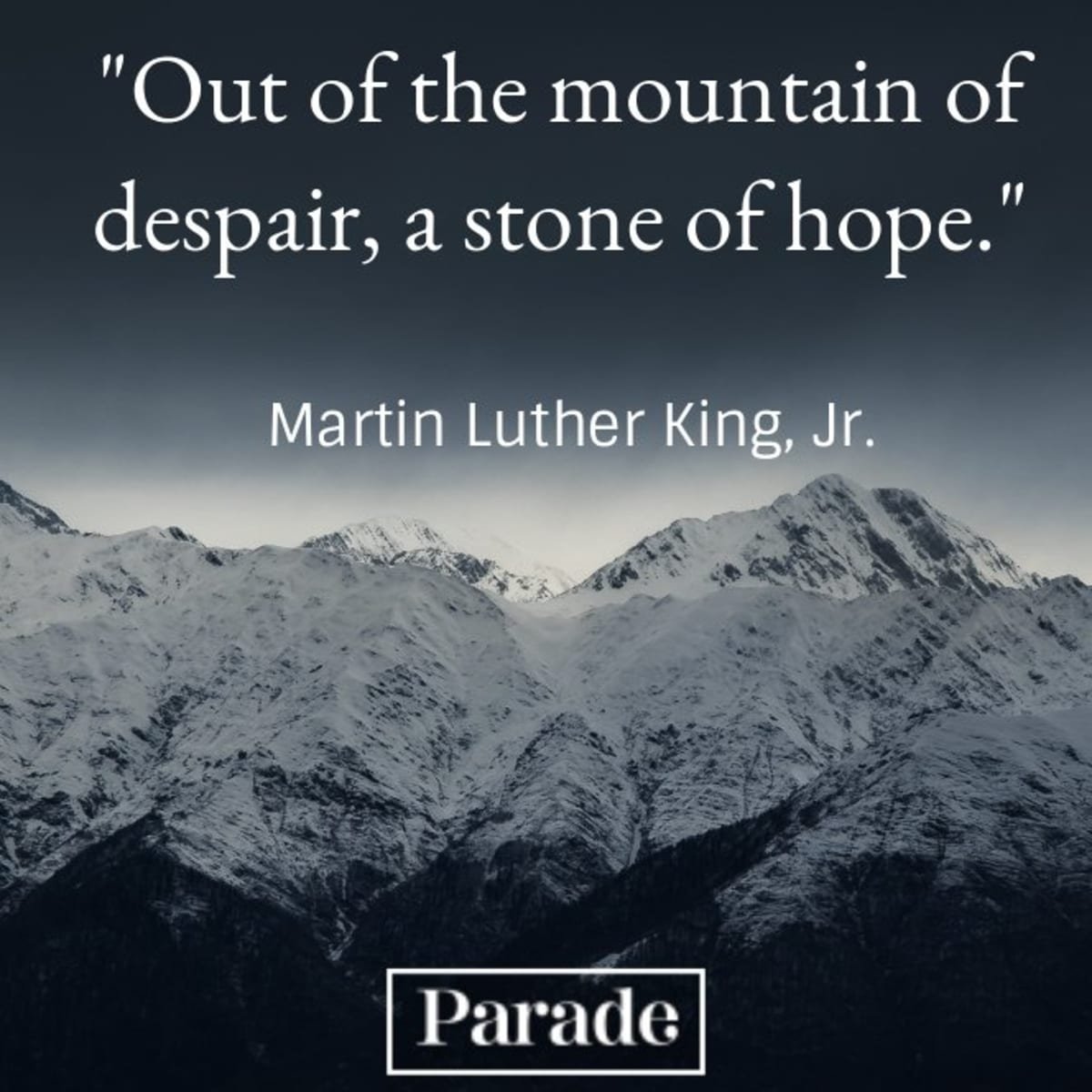
Strength Quotes
Content about Strength Quotes (Auto-generated fallback due to API error).
For the bigger picture and full context, make sure you read our main guide on Weak People Quotes: Insightful Words On Strength And Resilience.
Feeling powerless? It's a universal human experience, but it doesn't have to define you. Sometimes, all it takes is the right perspective shift to begin your journey toward strength. That’s where powerful quotes for weak person can help – offering a spark of inspiration in moments of doubt. They remind us that perceived weakness can be a springboard for profound personal growth.
At a glance:
- Discover how weakness can be a catalyst for strength.
- Learn to embrace vulnerability as a superpower.
- Understand the importance of self-compassion on your journey.
- Identify practical steps to transform feelings of inadequacy into resilience.
- Find encouragement in the wisdom of others who have faced similar challenges.
The Power of Reframing Weakness
We often view weakness as a negative trait, something to be ashamed of or hidden. But what if we flipped the script? What if we saw weakness not as a dead end, but as a starting point? As the legendary martial artist Bruce Lee said, "Adapt what is useful, reject what is useless, and add what is specifically your own.” This applies directly to how we handle perceived flaws. He essentially distilled the power of taking what appears to be a weakness and morphing it to strength.
Sometimes, acknowledging areas where you need support or improvement is the first crucial step towards growth.
Vulnerability: The Unexpected Strength
Brené Brown, a leading researcher on vulnerability, argues that it's not a weakness at all, but rather "the birthplace of love, belonging, joy, courage, empathy, and creativity." Think about it: isn't it braver to show your true self, imperfections and all, than to hide behind a facade of invincibility?
Vulnerability fosters deeper connections and allows you to be authentic. Consider the impact on a team when a leader admits a mistake. It breeds trust and opens the door for collaborative problem-solving – a powerful testament to the strength found in vulnerability.
Resilience: Bouncing Back Stronger
Resilience isn't about avoiding hardship; it's about how you respond to it. It's the ability to get back up after you've been knocked down, to learn from your mistakes, and to keep moving forward, even when the path ahead seems uncertain.
As Nelson Mandela famously said, "Do not judge me by my successes, judge me by how many times I fell down and got back up again." Resilience is the muscle that gets stronger with each challenge you overcome. Here are a few options, depending on the surrounding context: * Quotes about inner strength * Find resilience in these quotes * Weakness quotes offer insights * Inspirational words on strength * Discover strength through quotes.
Self-Compassion: Your Inner Ally
It’s easy to be hard on ourselves, especially when we perceive ourselves as weak. However, self-compassion is vital for growth. It means treating yourself with the same kindness and understanding you would offer to a friend in a similar situation.
Kristin Neff, a pioneer in self-compassion research, identifies three key components:
- Self-Kindness: Replacing self-criticism with understanding.
- Common Humanity: Recognizing that suffering is a shared human experience.
- Mindfulness: Paying attention to your thoughts and feelings without judgment.
Instead of berating yourself for a perceived weakness, try acknowledging it with kindness and asking yourself, "What can I learn from this?"
Actionable Steps: From Insecurity to Empowerment
Here's a practical plan to get started.
- Identify and Acknowledge: What specific "weakness" are you struggling with? (e.g., fear of public speaking, difficulty saying no).
- Challenge Negative Thoughts: Are your thoughts about this weakness accurate and fair? Are you being too harsh on yourself?
- Reframe the Weakness: Could this weakness be viewed as something else? (e.g., Difficulty saying no could be re-framed as empathy and a desire to help).
- Seek Support: Talk to a trusted friend, family member, or therapist. Sharing your struggles can be incredibly empowering.
- Set Small, Achievable Goals: Break down the challenge into smaller, manageable steps. Celebrate your progress along the way.
- Practice Self-Compassion: Be kind to yourself when you stumble. Remember that it's okay to make mistakes, and that growth takes time.
Decision Tree: Turning Weakness into Strength
Start --> Acknowledge Weakness --> Is it changeable?
│ Yes │ No │
│--------------> Set realistic goals --> Take action --> Celebrate Progress --> End
│ │
│--------------> Acceptance --> Focus on Strengths --> Manage Impact --> Seek Support --> End
Overcoming the Fear Factor
Fear often fuels our perception of weakness. We fear failure, judgment, and the unknown. But as Eleanor Roosevelt wisely stated, “You gain strength, courage, and confidence by every experience in which you really stop to look fear in the face… You must do the thing you think you cannot do.”
Confronting your fears, even in small ways, can unlock a wellspring of inner power. Think of public speaking as a case study. For many, it's a significant fear. Joining a Toastmasters club, starting with small presentations to friends, and gradually increasing the size of the audience are all manageable steps to conquer that fear.
Pitfalls to Avoid:
- Comparison: Comparing yourself to others. Everyone's journey is unique.
- Perfectionism: Striving for unattainable standards. Embrace imperfection.
- Isolation: Withdrawing from others. Seek support and connection.
- Negative Self-Talk: Dwelling on negative thoughts. Challenge and reframe them.
Quick Answers: Common Questions & Misconceptions
Q: Does acknowledging weakness make me even weaker?
A: No. Acknowledging weakness is an act of courage and self-awareness. It's the first step towards growth and empowers you to seek support and implement strategies for improvement.
Q: What if I've tried everything and still feel weak?
A: It's important to remember that progress isn't always linear. Sometimes, you may need to adjust your approach, seek professional help, or simply be patient with yourself. Remember that strength isn't about never feeling weak; it's about how you respond to those feelings.
Q: Is it okay to ask for help?
A: Absolutely! Asking for help is a sign of strength, not weakness. It shows that you're willing to be vulnerable and that you value the expertise and support of others. Building a strong support network is essential for personal growth.
Q: How do I avoid being taken advantage of if I show vulnerability?
A: Vulnerability isn't about blindly trusting everyone. It's about being authentic with people you trust and setting healthy boundaries. Learn to identify and avoid toxic relationships and prioritize your well-being.
Your Journey to Strength Starts Now
Don't let perceived weakness hold you back. Embrace vulnerability, cultivate self-compassion, seek support, and take small, consistent steps toward your goals. Remember that strength isn't the absence of weakness; it's the courage to keep moving forward, even when you feel afraid. The journey to empowerment begins with acknowledging where you are and choosing to believe in your own potential.