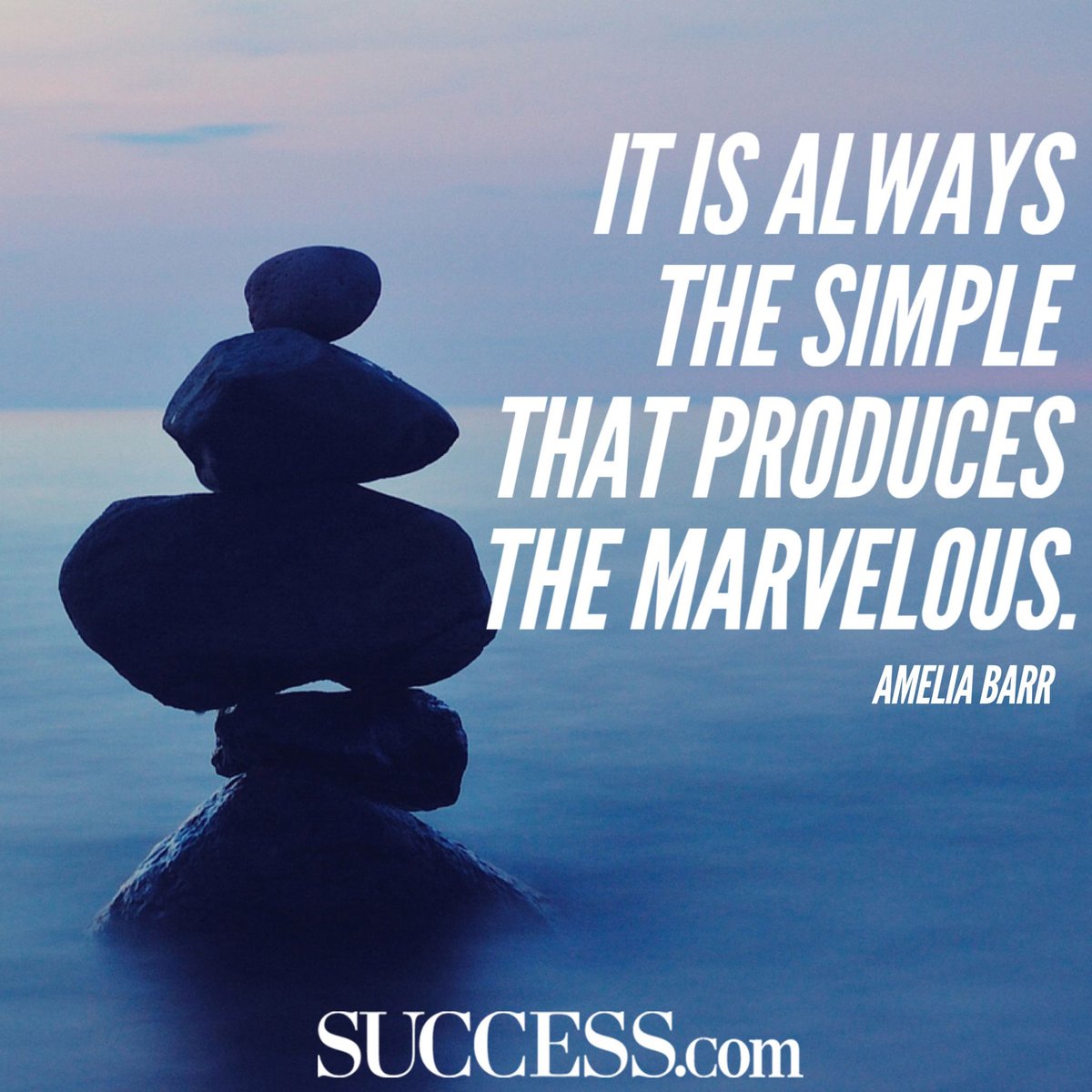
Strength Quotes
Content about Strength Quotes (Auto-generated fallback due to API error).
Feeling overwhelmed? Sometimes, all it takes is a shift in perspective to see a glimmer of light. That's where powerful quotes about being ok can be a lifeline, offering a reminder that even in the darkest moments, hope remains. They’re not magic, but they can be crucial emotional kindling to reignite your inner strength.
At a glance:
- Discover how quotes can provide immediate comfort and long-term resilience.
- Learn to identify the types of quotes that resonate with you most effectively.
- Explore practical techniques for using quotes to manage stress and cultivate a hopeful outlook.
- Understand how to reframe your perspective using quotes to navigate setbacks and challenges.
- Create a personalized "emergency kit" of quotes for when you need them most.
Why Quotes About Being Ok Can Be Surprisingly Powerful
It’s easy to dismiss quotes as simple platitudes, but their true strength lies in their ability to tap into universal experiences and truths. A well-chosen quote can act as a mirror, reflecting back your own feelings and validating your struggles. It can also offer a new lens through which to view your situation, providing a much-needed dose of optimism or a fresh perspective.
Think of it this way: when you're stuck in a negative thought loop, your brain tends to recycle the same unhelpful patterns. Quotes offer a concise, impactful way to disrupt those patterns and introduce alternative viewpoints.
Finding the Quotes That Resonate With You
Not all quotes are created equal. What inspires one person may fall flat for another. The key is to find the quotes about being ok that truly resonate with your specific experiences and needs. Here’s how:
- Identify your current emotional state: Are you feeling anxious, overwhelmed, or simply discouraged? Knowing your dominant emotion will help you narrow your search.
- Explore different themes: Do you need a quote about resilience, hope, self-compassion, or the power of time?
- Experiment with different authors: Some people connect with philosophical quotes, while others prefer those from artists, leaders, or everyday individuals.
- Pay attention to your physical and emotional response: A quote that resonates will typically evoke a sense of calm, inspiration, or validation. Notice how your body reacts – do your shoulders relax? Does your breathing deepen?
Example: If you're struggling with a feeling of failure, a quote like "Success is not final, failure is not fatal: It is the courage to continue that counts" (Winston Churchill) might be more helpful than a generic "stay positive" message.
Using Quotes for Immediate Relief and Long-Term Resilience
Quotes aren't just for fleeting moments of inspiration. They can be powerful tools for building long-term resilience. Here are some practical ways to incorporate them into your daily life:
- Create a "Quote Emergency Kit": Compile a list of your favorite quotes about being ok and keep it easily accessible on your phone, in a journal, or on sticky notes around your home.
- Use them as affirmations: Repeat a chosen quote to yourself several times a day, especially when you're feeling overwhelmed. This can help reprogram negative thought patterns.
- Journal about them: Reflect on how the quote relates to your current situation. Explore the feelings and thoughts it evokes.
- Incorporate them into your meditation practice: Focus on the meaning of the quote as you breathe deeply, allowing its message to sink in.
- Share them with others: Spreading positivity can be a powerful way to boost your own mood and help those around you.
Reframing Your Perspective with the Right Words
One of the most valuable benefits of quotes about being ok is their ability to reframe your perspective. When you're stuck in a negative mindset, it can be difficult to see any potential for hope or positive change. Quotes can offer a fresh perspective, helping you to:
- Challenge negative assumptions: Recognize and question the negative thoughts that are fueling your distress.
- Focus on the present moment: Avoid dwelling on the past or worrying about the future. Instead, concentrate on what you can control in the here and now.
- Identify opportunities for growth: View challenges as opportunities to learn and develop new skills.
- Cultivate gratitude: Focus on the good things in your life, even the small ones.
Example: Instead of thinking "I'm a failure because I didn't get the promotion," try reframing it with a quote like "Every strike brings me closer to the next home run" (Babe Ruth). This shifts your focus from the perceived failure to the potential for future success.
Navigating the Pitfalls: Avoiding Toxic Positivity
While quotes about being ok can be incredibly helpful, it's important to avoid falling into the trap of "toxic positivity." This involves dismissing or minimizing negative emotions, which can be harmful and invalidating. It's okay to feel sad, angry, or frustrated. The goal is not to suppress these emotions, but to acknowledge them and then find healthy ways to cope.
Here’s how to avoid toxic positivity when using quotes:
- Choose quotes that acknowledge the reality of your situation: Avoid quotes that try to gloss over the challenges you're facing.
- Allow yourself to feel your emotions: Don't try to force yourself to be happy or positive if you're not.
- Use quotes as a tool for coping, not a replacement for processing your emotions: If you're struggling with significant mental health issues, seek professional help.
Remember John Lennon's words: "Everything will be okay in the end. If it’s not okay, it’s not the end." Find strength in quotes. This quote acknowledges that things may not be okay right now, but it also offers hope that things will eventually improve.
Practical Playbook: Building Your Quote-Powered Resilience
Ready to start building your own quote-powered resilience? Here's a step-by-step guide:
- Gather Your Resources: Start collecting quotes about being ok from books, articles, websites, and social media. Save the ones that resonate with you in a dedicated document or app.
- Categorize & Tag: Organize your quotes by theme (e.g., resilience, hope, self-compassion, time). Add tags to further refine your collection (e.g., "work stress," "relationship issues").
- Daily Dose: Choose one quote each morning and reflect on its meaning throughout the day.
- Emergency Mode: When you're feeling overwhelmed, reach for your "Quote Emergency Kit." Read through your favorite quotes and choose one to focus on.
- Regular Review: Regularly review and update your quote collection. As you grow and change, your needs and preferences will evolve.
Implementation Tips:
- Turn quotes into visual reminders: Create posters, phone wallpapers, or social media graphics featuring your favorite quotes.
- Share your quotes with others: Start a quote journal with a friend or family member, or post inspiring quotes on social media.
- Use quotes as prompts for journaling: Write about how the quote relates to your current situation, your past experiences, or your future goals.
Quick Answers: Common Questions About Using Quotes
Q: Can quotes really make a difference in my mental health?
A: Yes, quotes about being ok can be a valuable tool for managing stress, cultivating hope, and building resilience. However, they're not a replacement for professional mental health care. If you're struggling with significant mental health issues, it's important to seek help from a qualified therapist or counselor.
Q: How often should I use quotes?
A: There's no magic number. Use them as needed, whenever you're feeling overwhelmed, discouraged, or simply in need of a boost. Some people find it helpful to read a quote every morning, while others only turn to them during times of crisis.
Q: What if I don't believe the quote I'm reading?
A: That's okay. Not every quote will resonate with you. If a quote doesn't feel authentic or helpful, simply move on to another one. The key is to find quotes about being ok that you genuinely connect with.
Q: Are there any potential downsides to using quotes?
A: Yes, as mentioned earlier, it's important to avoid "toxic positivity." Don't use quotes to suppress or dismiss your negative emotions. Acknowledge your feelings and then use quotes as a tool for coping and reframing your perspective.
Take Action Today
Don’t wait for a crisis to strike before building your "Quote Emergency Kit." Start gathering quotes about being ok that resonate with you, and experiment with different ways of incorporating them into your daily life. Remember, even small shifts in perspective can make a big difference in your overall well-being.