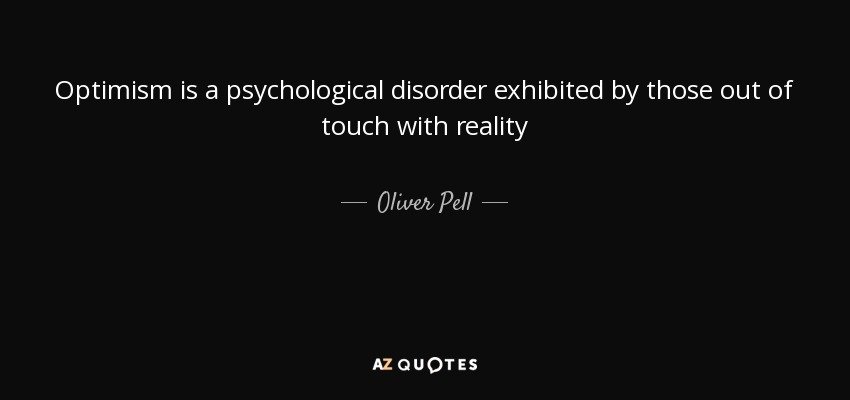
Strength Quotes
Content about Strength Quotes (Auto-generated fallback due to API error).
For the bigger picture and full context, make sure you read our main guide on Mental Health Self Care Quotes To Inspire Your Well-Being.
Finding the right words can be a lifeline when navigating the often turbulent waters of mental health. Psychological disorders quotes offer validation, reminding us we're not alone, and can even spark the courage needed to seek help. These quotes can be a source of comfort and a reminder of the ongoing journey of recovery, especially when battling the stigma that often surrounds mental illness.
At a glance:
- Discover psychological disorders quotes that offer comfort and strength, combating feelings of isolation.
- Understand how these quotes can promote self-acceptance and encourage help-seeking behaviors.
- Learn practical ways to use these quotes as part of your mental health self-care routine.
- Explore strategies to address the stigma associated with mental illness.
- Find actionable steps for supporting loved ones struggling with their mental health.
The Power of Validation: Why Psychological Disorders Quotes Matter
Quotes about psychological disorders can be unexpectedly powerful. Why? Because mental illness often breeds feelings of isolation and shame. Reading words that articulate your internal struggles, penned by others who understand, can be profoundly validating. It's a reminder that you're not alone, and your experiences are real. This validation can be the first step toward self-acceptance and recovery.
Psychological disorders quotes, shared widely online and in support groups, help normalize conversations about mental health. They challenge the misconception that mental illness is a personal failing, instead framing it as a health condition requiring understanding and support.
Combating Stigma with Shared Words: Glenn Close's Call to Action
Stigma remains a significant barrier to mental health care. Individuals struggling with psychological disorders often face judgment, discrimination, and silence. Psychological disorders quotes, especially those from well-known figures, can help dismantle this stigma by promoting open dialogue and challenging negative stereotypes.
Glenn Close's powerful statement, "What mental health needs is more sunlight, more candor, and more unashamed conversation,” is a perfect example. It directly addresses the need to bring mental health out of the shadows and into the light of open discussion. Such quotes encourage empathy and understanding, fostering a more supportive and accepting society. Decreasing this stigma, in turn, increases help-seeking behavior.
From Words to Action: Using Quotes for Self-Care and Empowerment
Psychological disorders quotes aren't just for reading; they can be actively integrated into your mental health self-care routine. Here’s how:
- Affirmations: Choose a quote that resonates with you and use it as a daily affirmation. Repeat it to yourself each morning to cultivate self-compassion and hope.
- Journaling Prompts: Use a quote as a prompt for journaling. Explore what the quote means to you, how it relates to your experiences, and what insights it offers.
- Inspiration Boards: Create a visual reminder of your strength and resilience by adding quotes to an inspiration board.
- Sharing with Others: Share quotes that resonate with you on social media or in support groups to connect with others and spread awareness.
Example: If you're struggling with anxiety, Michelle Obama’s quote, “We would never tell someone with a broken leg that they should stop wallowing and get it together. We don’t consider taking medication for an ear infection something to be ashamed of. We shouldn’t treat mental health conditions any differently,” can be a powerful reminder to treat your mental health with the same care and compassion as your physical health.
Supporting Loved Ones: Using Quotes to Encourage Help-Seeking
Knowing how to support a loved one struggling with a psychological disorder can be challenging. Psychological disorders quotes can be a gentle way to initiate conversations and encourage them to seek help.
Here's a step-by-step approach, drawing from the American Psychiatric Association’s guidelines:
- Approach with Concern: Instead of directly accusing, use "I" statements to express your worries. For example, "I've noticed you seem more withdrawn lately, and I'm concerned about you." This expresses concern without judgment. You can also reassure them that they don't have to go through it alone and suggest outlets where they can express themselves.
- Address Barriers: Acknowledge the potential barriers to seeking help, such as cost, transportation, or stigma. Offer practical assistance, like researching therapists or offering to drive them to appointments.
- Have Realistic Expectations: Understand that recovery is a process, not an event. Be patient and supportive, and avoid pressuring your loved one to "just get over it."
- Seek Your Own Support: Supporting someone with a mental illness can be emotionally taxing. Make sure you have your own support system in place, whether it's a therapist, support group, or trusted friend.
John Green's quote, “There is hope, even when your brain tells you there isn’t,” can be a powerful message of encouragement for someone who feels overwhelmed and hopeless.
Remember that Here are a few options, depending on the surrounding context: * Inspiring Mental Health Quotes * Self-Care Quotes for Well-being * Find Inspiring Self-Care Quotes * Mental Health Self-Care Inspiration, offer a broader context for finding quotes to support your and others' well-being., it is not your responsibility to heal your loved one, but that you do not have to do it alone.
The Role of Positive Psychology: Beyond the Absence of Illness
While addressing psychological disorders is crucial, true mental health extends beyond merely the absence of illness. It encompasses a sense of well-being, purpose, and fulfillment. Positive psychology offers tools and strategies for cultivating these positive aspects of mental health, complementing traditional treatments for mental illness.
According to Keyes (2005), while higher subjective well-being often correlates with fewer mental health symptoms, it's not a perfect relationship. This highlights the importance of addressing both mental illness and well-being in a comprehensive approach to mental health. Positive psychology may therefore help towards achieve complete mental health.
The Definition of Mental Health: More Than Just Absence
It's crucial to recognize that the absence of a mental disorder doesn't automatically equate to good mental health. As the context research highlights, mental health is about thriving, not just surviving. It involves the ability to realize one's potential, cope with stress, work productively, and contribute to the community.
Kati Morton's definition of mental illness as compromised or neglected mental health that affects daily functioning further emphasizes this point. It's about recognizing when our mental health is suffering and taking proactive steps to address it, rather than waiting for a full-blown disorder to develop.
Practical Playbook: Using Quotes in Daily Life
Here’s a quick guide to incorporating psychological disorders quotes into your daily life:
- Morning Ritual: Start your day with a quote that sets a positive tone and reminds you of your strength.
- Stress Management: Keep a list of quotes handy to refer to when you're feeling overwhelmed.
- Self-Reflection: Use quotes as prompts for self-reflection and journaling.
- Connection: Share quotes with friends, family, or support groups to foster connection and understanding.
- Advocacy: Use quotes to raise awareness about mental health and challenge stigma.
Decision Tree: Choosing the Right Quote
- Identify Your Need: What specific struggle are you facing (anxiety, depression, self-doubt, etc.)?
- Search for Resonance: Look for quotes that directly address those feelings and offer a message of hope, validation, or empowerment.
- Personalize the Message: Choose a quote that resonates with you on a personal level and feels authentic to your experience.
- Take Action: Don't just read the quote; use it as a catalyst for positive change.
Quick Answers: Addressing Common Questions
Q: Can quotes really help with a mental illness?
A: While quotes are not a substitute for professional treatment, they can be a valuable tool for self-care, validation, and motivation. They can remind you that you're not alone and inspire you to seek help.
Q: Aren't quotes just empty words?
A: The power of a quote lies in its ability to articulate complex emotions and experiences in a concise and memorable way. When a quote resonates with you, it can trigger a shift in perspective and inspire you to take action.
Q: How do I find quotes that are right for me?
A: Explore different sources, such as books, articles, websites, and social media. Pay attention to quotes that evoke a strong emotional response or offer a new way of looking at your situation.
Q: What if I don't connect with any of these quotes?
A: That's perfectly okay. The key is to find words that resonate with you personally. Keep searching until you find quotes that speak to your heart and inspire your spirit.
Taking the Next Step: Embrace the Power of Words
Psychological disorders quotes can be a powerful tool for self-care, empowerment, and advocacy. By incorporating them into your daily life, you can cultivate self-compassion, challenge stigma, and inspire hope in yourself and others. Remember that while words can offer comfort and strength, they are most effective when combined with professional treatment and ongoing support. Begin by exploring quotes that resonate with you, and use them as a stepping stone to a healthier and more fulfilling life.