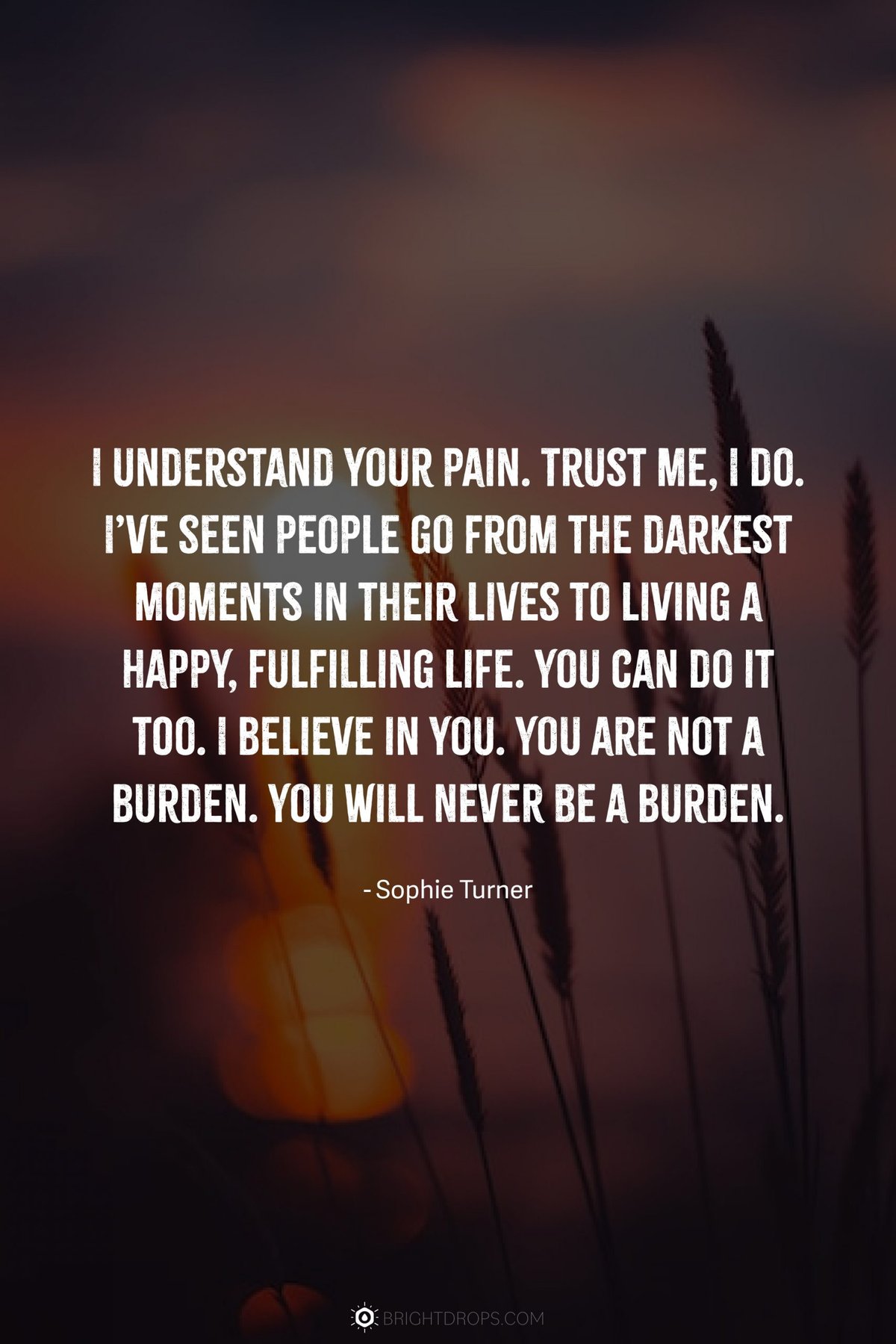
Strength Quotes
Content about Strength Quotes (Auto-generated fallback due to API error).
For the bigger picture and full context, make sure you read our main guide on Mental Health Self Care Quotes To Inspire Your Well-Being.
Battling a mental illness can feel isolating, like you're navigating a storm alone. But what if a few, carefully chosen words could offer a lifeline – a reminder of your strength, resilience, and the possibility of brighter days? Exploring the world of mental illness quotes isn't about finding a cure, but about discovering tools for your self-care toolkit.
At a glance:
- Discover how mental illness quotes can shift your perspective and offer comfort when you need it most.
- Learn strategies for integrating these quotes into your daily routine for maximum impact.
- Understand how these quotes can help reduce stigma and encourage open conversations about mental health.
- Get answers to common questions about the role of inspirational quotes in mental health recovery.
Why Words Matter: The Power of Perspective
Our internal dialogue shapes our reality. When struggling with mental illness, that inner voice can become overwhelmingly negative. Mental illness quotes, especially those from individuals who have experienced similar challenges, offer a powerful counter-narrative. They provide a glimpse of hope, validation, and the understanding that you are not alone. Here are a few options, depending on the surrounding context: * Inspiring mental health quotes * Well-being quotes and self-care * Self-care quotes for inspiration * Find inspiring self-care quotes.
For instance, a quote like "Mental health… is not a destination, but a process. It's about how you drive, not where you're going," (Noam Shpancer, PhD) reframes the journey. It emphasizes progress over perfection and encourages self-compassion during setbacks. This shift in perspective can be incredibly empowering.
Turning Words into Action: Practical Integration Strategies
Finding a quote that resonates is only the first step. The real magic happens when you actively integrate these words into your daily life. Here are some practical strategies:
- The Quote Journal: Dedicate a journal to collecting and reflecting on quotes. Write down quotes that resonate with you, and then journal about why. What emotions do they evoke? How can you apply their message to your current situation?
- Daily Affirmations: Transform a powerful quote into a daily affirmation. Repeat it to yourself each morning, focusing on the meaning behind the words. For example, if you're struggling with anxiety, a quote like "You don’t have to control your thoughts. You just have to stop letting them control you" (Dan Millman) can be a powerful reminder to practice mindfulness.
- Visual Reminders: Post quotes in visible locations – your mirror, your workspace, your refrigerator. These visual cues serve as constant reminders to prioritize your mental well-being.
- Mindfulness & Meditation: Incorporate quotes into your mindfulness or meditation practice. Focus on a single quote, allowing its meaning to sink in. Observe how it affects your thoughts and feelings.
- Reflection Prompts: Use quotes as writing prompts. For example, after reading "What mental health needs is more sunlight, more candor, and more unashamed conversation" (Glenn Close), journal about your experiences with mental health stigma and ways you can contribute to reducing it.
Case Snippet: Sarah found herself constantly battling negative self-talk. She started writing quotes on sticky notes and placing them around her apartment. Over time, these small reminders helped her challenge her negative thoughts and cultivate a more positive self-image.
Breaking Down the Stigma: Quotes as Conversation Starters
Stigma surrounding mental illness often prevents people from seeking help. When public figures and everyday individuals share their experiences and insights through quotes, it helps normalize the conversation and encourages open dialogue.
Quotes like, "If you have the power to say something, if you have the power to not remain silent, why would you?" (George Takei) can be a rallying cry against the silence that perpetuates stigma. Sharing these quotes responsibly, paired with resources and support information, can empower others to speak out and seek help.
Playbook for Integrating Quotes into Your Mental Health Journey
Here's a simple decision tree to guide you in finding and using mental illness quotes effectively:
- Identify Your Needs: What specific challenges are you facing right now (anxiety, depression, self-doubt)?
- Search for Relevant Quotes: Use keywords related to your specific needs (e.g., "quotes about anxiety," "quotes about self-compassion").
- Select Resonating Quotes: Choose quotes that evoke a positive emotion or offer a new perspective.
- Integrate into Daily Life: Use one or more of the strategies outlined above (journaling, affirmations, visual reminders, etc.).
- Reflect and Adjust: Regularly evaluate the impact of the quotes. Do they still resonate? Should you try different quotes or strategies?
Pitfalls to Avoid:
- Blindly Accepting Quotes: Don't just accept a quote at face value. Reflect on its meaning and relevance to your own situation.
- Using Quotes as a Replacement for Treatment: Quotes are a tool to support your mental health journey, not a replacement for professional care.
- Sharing Quotes Irresponsibly: Be mindful of the context and audience when sharing quotes. Always provide resources and support information.
Quick Answers: Addressing Common Questions and Misconceptions
Q: Can a quote really make a difference in my mental health?
A: While a single quote won't magically erase your struggles, consistently engaging with inspiring and validating words can shift your perspective, empower you to take action, and remind you that you're not alone. Studies have shown that positive language can improve mood, focus, and even test scores proving that words matter.
Q: What if I don't connect with any of the quotes I find?
A: Keep searching! There are countless quotes out there, and it may take time to find ones that truly resonate with you. You can also try adapting existing quotes to better reflect your own experiences and beliefs.
Q: Is it selfish to focus on self-care quotes when others are struggling?
A: Absolutely not. Taking care of your mental health is not selfish; it's essential. You can't pour from an empty cup. By prioritizing your own well-being, you'll be better equipped to support others.
Q: Should I only use positive quotes?
A: While positive quotes can be helpful, it's also important to acknowledge and validate your difficult emotions. Quotes that address the realities of mental illness can be equally empowering. The goal is to find quotes that offer comfort, understanding, and a sense of hope.
Q: Are quotes a substitute for professional help?
A: No. Quotes should be seen as a complementary tool to enhance your mental health journey, not as a replacement for therapy, medication, or other professional interventions. If you are struggling with your mental health, please seek help from a qualified mental health professional.
Empowering Yourself, One Quote at a Time
Incorporating mental illness quotes into your daily life is a simple yet powerful way to prioritize your well-being. It's about finding words that resonate with you, using them to challenge negative thoughts, and reminding yourself of your strength and resilience. It's about taking small, consistent steps toward a brighter, healthier future. Remember, recovery is possible, and you are not alone on this journey. Start today by finding a single quote that speaks to you, and let its message guide you forward.