Strength Quotes
Content about Strength Quotes (Auto-generated fallback due to API error).
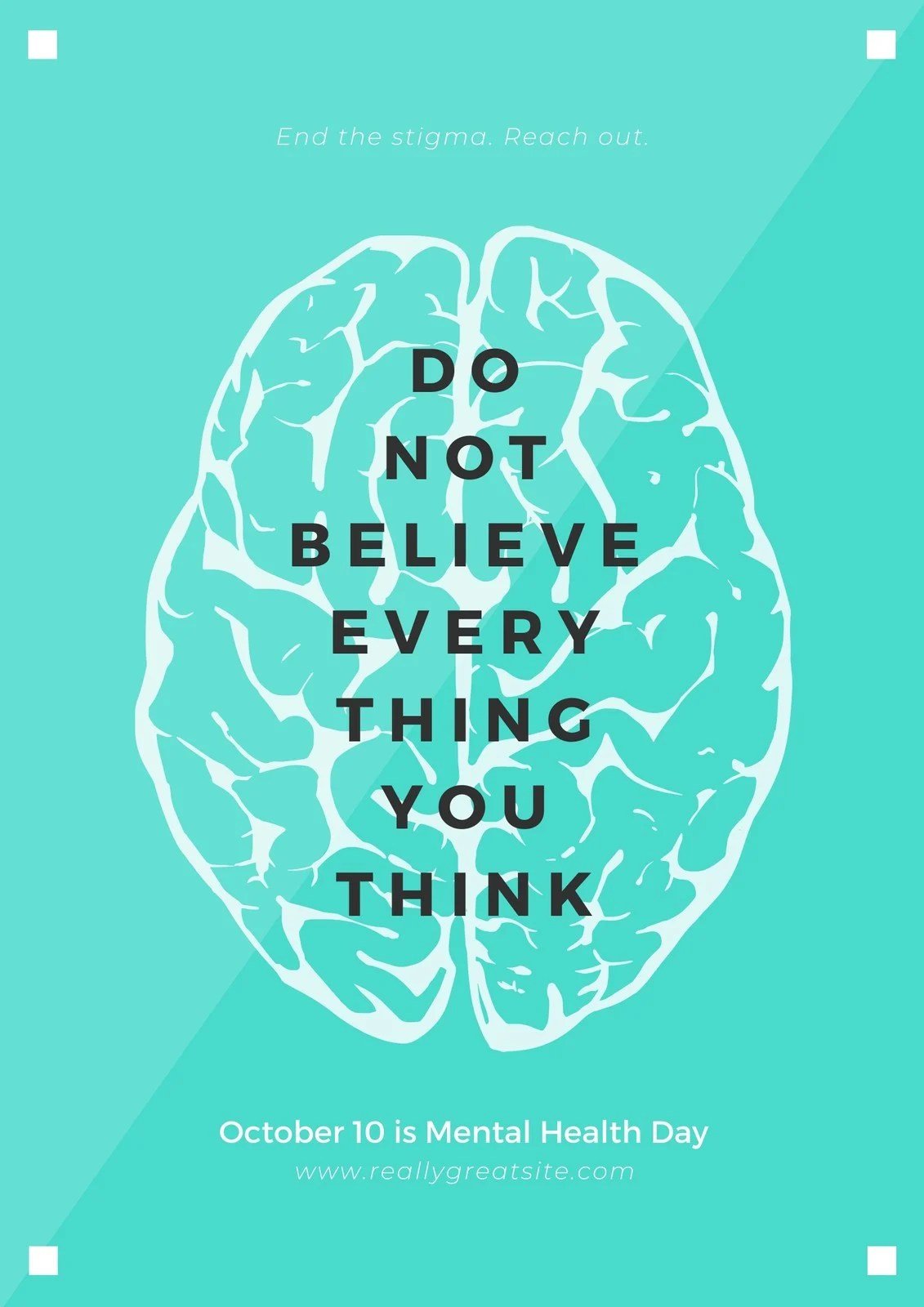
Sometimes, a few simple words can be the lifeline you need when navigating a difficult mental space. Mental health sayings, like little sparks of encouragement, can reframe your perspective and offer a moment of clarity in the chaos. They remind us we're not alone and that even small acts of self-compassion can make a difference.
At a glance:
- Discover how mental health sayings can shift your mindset in challenging moments.
- Learn to identify the right sayings for specific emotional needs.
- Understand how to effectively use these sayings for daily self-care practices.
- Tackle common misconceptions about relying on positive affirmations.
- Find quick, actionable ways to integrate mental health sayings into your routine.
Why "Just Words" Can Actually Help
It’s easy to dismiss mental health sayings as trite or simplistic. But consider this: words have power. Neuro-Linguistic Programming (NLP), for example, emphasizes how language patterns influence our thoughts, feelings, and behaviors. Positive affirmations, a type of mental health saying, activate reward pathways in the brain, leading to a measurable increase in dopamine and decrease in cortisol. This gives a biochemical nudge to toward resilience.
Think of it like this: you wouldn't scold a child learning to walk every time they stumble. Instead, you'd offer encouraging words to keep them going. Why not treat yourself with the same kindness?
Matching the Saying to the Need: A Quick Guide
Not all mental health sayings are created equal. Some resonate more deeply depending on the emotional challenge you're facing. Here’s a breakdown:
- For feeling overwhelmed: "One step at a time." This breaks down a monumental task into manageable actions.
- For combating self-doubt: "I am worthy of love and kindness." This counters negative self-talk and reinforces inherent value.
- For dealing with anxiety: "This too shall pass." This acknowledges the temporary nature of difficult emotions.
- For coping with grief: "It's okay not to be okay." This validates your feelings and allows space for mourning.
- For boosting self-esteem: "I am enough." This affirms your inherent worth, regardless of external validation.
- For moments of feeling trapped: "I have the strength to change what I can, accept what I can’t, and the wisdom to know the difference." This combines action with acceptance, key to navigating difficult circumstances.
Example: Sarah, struggling with a demanding workload, kept repeating "One step at a time" to avoid feeling paralyzed. The phrase helped her break down her tasks and tackle them bit by bit, reducing her anxiety.
Building a Daily Practice with Mental Health Sayings
Using mental health sayings isn't about magically erasing problems; it's about cultivating a positive mindset that empowers you to cope. Here's how to integrate them into your daily routine:
- Identify Your Needs: Start by journaling or reflecting on your recurring emotional challenges. Are you struggling with self-doubt, anxiety, or feelings of overwhelm?
- Choose Your Sayings: Select a few sayings that resonate with your specific needs (refer to the guide above).
- Create Visual Reminders: Write your chosen sayings on sticky notes and place them in visible locations – your bathroom mirror, workspace, or car dashboard.
- Incorporate Them into Your Morning Routine: Start your day by reciting your chosen sayings aloud or in your head. This sets a positive tone for the day ahead.
- Use Them as Needed: When you feel overwhelmed, anxious, or down, pause and repeat your chosen saying. Focus on the meaning of the words and allow them to calm and center you.
Remember that mental health self-care includes more than just positive affirmations. You can Inspire well-being with self-care through various activities that contribute to your mental and emotional health.
Case Snippet: From Self-Critic to Self-Supporter
Mark, a high-achieving professional, was plagued by constant self-criticism. He started using the saying, "I am doing my best, and that is enough." Initially, it felt unnatural, but with consistent repetition, Mark noticed a shift. He became more forgiving of himself and less focused on perfection. This ultimately reduced his stress and improved his overall well-being.
Common Pitfalls (and How to Avoid Them)
- Expecting Instant Results: Mental health sayings are not a quick fix. They require consistent effort and patience.
- Using Them as a Replacement for Therapy: Sayings are a supplementary tool, not a substitute for professional help.
- Choosing Sayings That Don't Resonate: Select sayings that genuinely speak to your needs and beliefs.
- Repeating Them Mindlessly: Focus on the meaning of the words and allow them to sink in.
- Feeling Guilty if They Don't "Work": Not every saying works for everyone. Experiment and find what resonates with you.
Practical Playbook: Quick Start to Using Mental Health Sayings
- Self-Assessment: What's your biggest mental hurdle today? (Anxiety, self-doubt, overwhelm?)
- Saying Selection: Pick 2-3 sayings from the list above that directly address it.
- Visual Cue: Write them on a note & put it where you'll see it multiple times today.
- Active Repetition: When the feeling hits, pause, and repeat the most relevant saying ~5 times slowly and mindfully.
Quick Answers: Your Questions About Mental Health Sayings
Q: Are mental health sayings just "toxic positivity"?
A: Not necessarily. Toxic positivity dismisses or invalidates negative emotions. Mental health sayings, when used appropriately, acknowledge difficult feelings while offering a more constructive perspective. It's about balancing realism with optimism.
Q: Can mental health sayings actually change my brain?
A: Yes, to some extent. Repetitive positive affirmations can strengthen neural pathways associated with positive emotions and self-belief. This doesn't happen overnight, but consistent practice can lead to measurable changes in your mindset.
Q: What if I don't believe the saying I'm repeating?
A: Start with sayings that feel plausible, even if you don't fully believe them yet. Over time, with consistent repetition, your belief may grow. You can also modify the saying to make it more believable for you. For example, instead of "I am confident," try "I am learning to be more confident."
Q: How many times a day should I repeat my chosen saying?
A: There's no magic number. Start with a few times a day and adjust based on your needs and preferences. The key is consistency and mindfulness.
Beyond the Words: Actionable Implementation Tips
- Combine Sayings with Other Self-Care Practices: Use mental health sayings in conjunction with other healthy habits like exercise, meditation, and spending time in nature.
- Journal About Your Experience: Write down how you feel before and after using a mental health saying. This helps you track your progress and identify what works best for you.
- Share Your Sayings with Others: Sharing your favorite sayings with friends, family, or online communities can create a supportive environment and spread positivity.
- Create Your Own Sayings: Don't be afraid to create your own sayings that are tailored to your unique needs and experiences.
- Use Positive Language: Positive Language Matters in Mental Wellness. Cognitive-behavioral studies show that daily exposure to optimistic phrasing trims rumination and boosts the cognitive process. Therefore, it's import to take care in the words you use.
Little Boosts Add Up
Mental health sayings, while simple, can be powerful tools for cultivating a more positive and resilient mindset. By choosing the right sayings, integrating them into your daily routine, and avoiding common pitfalls, you can harness their potential to improve your well-being. Remember that it’s okay to need a little extra support, and these sayings can act as a gentle nudge in the right direction. Just like one workout doesn't build a physique, one saying doesn't fix everything, but consistent small choices build a happier you.