Strength Quotes
Content about Strength Quotes (Auto-generated fallback due to API error).
Ever find yourself searching for the right words to navigate a tough time, or to better understand your own mind? Mental health quotes by psychologists offer a unique blend of wisdom and practical insight that can spark self-reflection and motivate positive change. They are a reminder that you are not alone in your struggles and that professional guidance can be a powerful tool.
At a glance:
- Discover insightful quotes from renowned psychologists addressing mental health challenges.
- Understand how these quotes can foster self-awareness and motivation.
- Learn actionable steps to apply psychological principles in your daily life.
- Address common misconceptions about mental health with expert perspectives.
- Find resources and guidance on seeking professional support when needed.
Why Listen to Quotes from Psychologists?
Psychologists dedicate years to understanding the complexities of the human mind. Their words are often distilled from extensive research, clinical experience, and a deep understanding of human behavior. They offer more than just feel-good sentiments; they provide evidence-based insights that can help you:
- Reframe negative thoughts: Psychologists provide tools to challenge and change destructive thinking patterns.
- Develop coping mechanisms: Their insights offer practical strategies for managing stress, anxiety, and other challenges.
- Increase self-awareness: Quotes can prompt introspection, helping you understand your emotions and behaviors better.
- Find hope and motivation: Words of encouragement from experts can inspire you to take positive action.
Timeless Wisdom: Mental Health Quotes By Psychologists
Let's explore impactful mental health quotes by psychologists, each offering a distinct perspective on well-being:
- On Mindfulness and Appreciation: Robert Biswas-Diener's quote, "Once you start making an effort to ‘wake yourself up’ — that is, be more mindful in your activities — you suddenly start appreciating life a lot more,” emphasizes the power of being present. Actionable step: Dedicate 5 minutes each day to mindful activity (e.g. meditation, mindful eating) to boost appreciation for the moment.
- On Resilience and Adaptation: Daniel Gilbert notes, "The truth is, bad things don’t affect us as profoundly as we expect them to. That’s true of good things, too. We adapt very quickly to either.” This highlights our ability to adapt and recover from adversity, reminding us that emotional pain is often temporary. Actionable step: When facing a setback, remind yourself of past challenges you've overcome and your capacity for resilience.
- On the Therapeutic Process: Aaron T. Beck, a pioneer of cognitive therapy, stated: "The ultimate goal of the therapist is not to provide his patients with a series of intellectual insights but to help them change their lives.” It’s a reminder that real change comes from applying insights and modifying behavior. Actionable step: Identify a behavior you want to change. Break it down into smaller steps and track your progress.
- On Balance and Acceptance: Havelock Ellis's insight, "All the art of living lies in a fine mingling of letting go and holding on,” speaks to the importance of balance in life. Actionable step: Evaluate areas where you might be holding on too tightly (e.g. perfectionism) or letting go too easily (e.g., neglecting self-care).
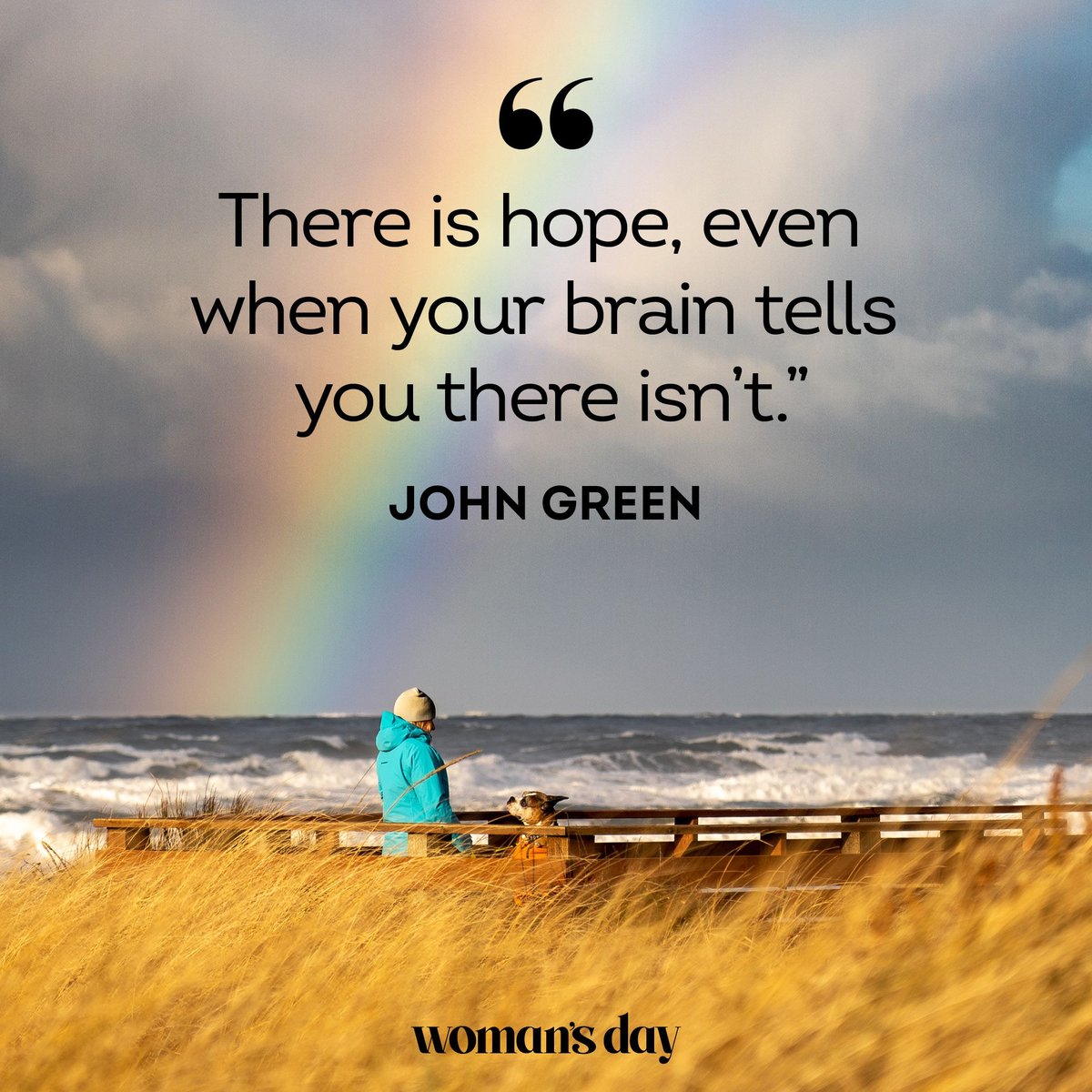
- On Hope and Persistence: John Green's powerful words, "There is hope, even when your brain tells you there isn’t,” emphasizes the importance of holding onto hope, even in the midst of despair. Actionable step: Create a list of people, activities or things that bring you hope. Refer to it when feeling overwhelmed by negative thoughts.
- On Grounding and Emotional Regulation: Russ Harris offers practical advice: “Slow, deep breathing is important… It’s like an anchor in the midst of an emotional storm: the anchor won’t get rid of the storm, but it will hold you steady until it passes.” Actionable step: Practice deep breathing exercises daily to regulate your emotions. Inhale deeply through your nose, hold for a few seconds, and exhale slowly through your mouth.
- On Acknowledging Emotional Pain: Elizabeth Kubler-Ross astutely observed: “Mental pain is less dramatic than physical pain, but it is more common and also more hard to bear. The frequent attempt to conceal mental pain increases the burden: It is easier to say ‘My tooth is aching’ than to say ‘My heart is broken.’” Actionable step: Prioritize open communication about your mental health. Talk to trusted friends, family members, or mental health professionals.
Practical Ways to Apply These Quotes in Your Life
These mental health quotes by psychologists provide a powerful starting point, but the real value lies in applying them to your daily life. Here’s how:
- Quote Journaling: Dedicate a journal to explore the meaning and relevance of these quotes. Write about how they resonate with your experiences and how you can implement their principles.
- Mindful Reflection: Choose a quote each week and reflect on it throughout the day. Consider how it applies to your interactions, decisions, and challenges.
- Affirmation Practice: Turn meaningful quotes into personal affirmations. Repeat them to yourself daily to reinforce positive beliefs and coping mechanisms.
- Share and Discuss: Share quotes that resonate with you on social media or with friends and family. Discussing these ideas can deepen your understanding and create a supportive community.
Overcoming Barriers to Seeking Help
Even with insightful mental health quotes by psychologists, overcoming stigma and feelings of hopelessness can be challenging. Here's a breakdown of common barriers and practical solutions:
| Barrier | Solution |
|---|---|
| Stigma and Shame | Promote awareness through education, advocacy, social contact programs, media campaigns, and peer programs. Share your own experiences to normalize the conversation. Inspiring quotes for self-care can also help overcome these feelings. |
| Hopelessness and Sadness | Acknowledge these feelings and validate their impact. Seek support from friends, family, or mental health professionals. Focus on small, achievable goals to build momentum. |
| Lack of Resources or Information | Research available mental health services in your area, including therapy options, support groups, and community resources. Explore online platforms and apps that offer affordable or free mental health support. |
| Fear of Judgment or Discrimination | Connect with supportive communities and organizations that prioritize inclusivity and acceptance. Understand your rights and advocate for fair treatment. |
| Difficulty Accessing Treatment | Explore options for telehealth therapy, sliding scale fees, and insurance coverage. Seek assistance from social workers or case managers who can help navigate the healthcare system. |
Quick Answers: Common Questions About Mental Health
Here are some frequently asked questions about mental health and applying principles from psychologists:
Q: Is seeking therapy a sign of weakness?
A: Absolutely not. Seeking therapy is a sign of strength and self-awareness. It demonstrates a willingness to address challenges and improve your well-being.
Q: Can mental health quotes really make a difference?
A: While quotes alone cannot solve mental health issues, they can provide inspiration, motivation, and a new perspective. They can also serve as a starting point for deeper self-reflection and action.
Q: How do I know if I need professional help?
A: If you're experiencing persistent feelings of sadness, anxiety, or hopelessness, or if your mental health is interfering with your daily life, it's important to seek professional help. Other signs include changes in sleep or appetite, difficulty concentrating, and withdrawal from social activities.
Q: What are some first steps I can take to improve my mental health?
A: Start by prioritizing self-care activities such as exercise, healthy eating, and adequate sleep. Practice mindfulness and stress-reduction techniques. Connect with supportive friends and family. And consider seeking guidance from a mental health professional.
Your Mental Health Playbook: Starting Now
Ready to put these insights into action? Here’s a quick-start guide:
- Choose one quote from above that resonates with you.
- Reflect on it daily for a week. Note how it applies to your experiences.
- Identify one small, actionable step inspired by the quote.
- Implement that step consistently for a week.
- Journal your experiences and observe any changes in your mindset or behavior.
- Repeat with a new quote the following week.
Remember: Small, consistent actions can lead to significant improvements in your mental well-being. If you need additional support, don't hesitate to reach out to a mental health professional or utilize the resources listed below.
- USA: Suicide & Crisis Lifeline at 988
- UK: Samaritans hotline at 116 123
- Netherlands: Netherlands Suicide Hotline at 0900 0767
- France: Suicide écoute at 01 45 39 40 00
- Australia: Lifeline at 13 11 14
- Germany: Telefonseelsorge at 0800 111 0 111 or 0800 111 0 222
By leveraging the wisdom of mental health quotes by psychologists and taking proactive steps to care for your well-being, you can create a more fulfilling and resilient life.