Strength Quotes
Content about Strength Quotes (Auto-generated fallback due to API error).
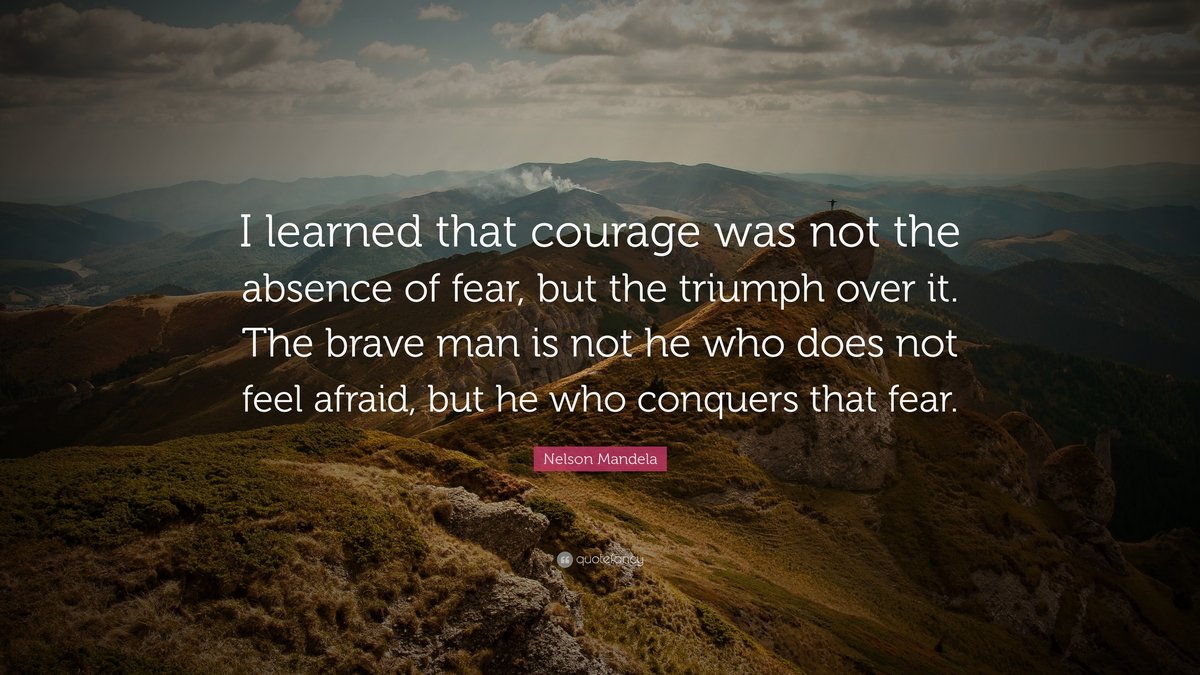
We often think of courageous people as those who feel no fear, striding confidently into danger without a second thought. But what if that's not the full story? What if true courage isn't the absence of fear, but something far more powerful: the ability to confront and overcome it? This understanding of courage, articulated by figures like Nelson Mandela, Mark Twain, and even characters in George R.R. Martin's Game of Thrones, shifts our perspective from an unrealistic ideal of fearlessness to a more attainable and empowering reality.
At a glance:
- Courage isn't about not being afraid; it's about how you respond when you're afraid.
- Fear is a natural human emotion; acknowledging it is the first step to overcoming it.
- You can build courage by gradually facing your fears and celebrating small victories.
- Courage isn't a personality trait; it's a skill you can develop with practice.
- Understanding the "why" behind your actions can fuel your courage.
The Myth of Fearlessness
For many, the image of a hero is someone who charges into battle without a flicker of hesitation. We see this in movies, read about it in books, and sometimes even expect it of ourselves. This creates a misconception that brave individuals are simply immune to fear. However, a closer look at the lives of genuinely courageous people reveals a different story.
Think about a time you felt truly brave. Were you completely calm and collected, or were you fighting back feelings of anxiety, doubt, or even terror? More likely, you experienced fear and pushed through it anyway. As Neil Gaiman wrote in Caroline, "Being brave means that you are scared, really scared, badly scared, and you do the right thing anyway."
What Courage Really Is
So, if courage isn't the absence of fear, what is it? It's the judgment that something else is more important than fear, as Ambrose Redmoon eloquently put it. It's the capacity to act, even when you're terrified. It's the wisdom to move forward in spite of your anxieties.
Many notable figures have spoken on this. Desmond Tutu explained it best: "Being courageous does not mean never being scared; it means acting as you know you must even though you are undeniably afraid."
Consider these elements of courage:
- Acknowledgment: Recognizing and accepting that you're afraid.
- Prioritization: Understanding what's truly important to you, and why.
- Action: Taking a step forward, even a small one, despite your fear.
- Resilience: Bouncing back from setbacks and continuing to move forward.
- Mastery: Courage is resistance to fear, mastery of fear—not absence of fear.
Why We Confuse Courage with Fearlessness
Why is there such a disconnect between the true nature of courage and our popular perception of it? There are a few reasons:
- Hollywood: Movies often portray heroes as unflinching and invincible, creating unrealistic expectations.
- Social Pressure: We live in a society that often values strength and stoicism, leading people to hide their fears.
- Internal Narratives: We sometimes tell ourselves that feeling fear is a sign of weakness, preventing us from acknowledging it.
The Biology of Fear
To better understand how courage works, it's helpful to understand the biological basis of fear. When we perceive a threat, our brains trigger the "fight or flight" response. This involves the release of hormones like adrenaline and cortisol, which prepare our bodies to either confront the danger or escape from it.
This response is automatic and powerful, and it can be difficult to override. However, understanding how it works can give you greater control over your reactions. Knowing that your heart is racing and your palms are sweating because of a natural physiological response can help you separate those sensations from the actual threat and make a more rational decision about how to proceed.
How to Cultivate Courage in Your Life
If courage is a skill that can be developed, how do you go about building it? Here are some practical strategies:
- Identify Your Fears: The first step is to identify what you're afraid of. Make a list of your fears, both big and small.
- Challenge Your Fears: Once you know what your fears are, start challenging them. This could involve gradually exposing yourself to situations that trigger your anxiety.
- Start Small: Don't try to conquer your biggest fears all at once. Start with smaller, more manageable challenges. Each small victory will build your confidence and make it easier to tackle bigger obstacles.
- Focus on Your "Why": Why is it important for you to overcome this fear? What will you gain by doing so? Keeping your "why" in mind can help you stay motivated when you're feeling scared or discouraged.
- Practice Self-Compassion: Be kind to yourself. It's okay to feel afraid. It's okay to make mistakes. The important thing is to keep trying.
- Seek Support: Talk to a friend, family member, or therapist about your fears. Having someone to support you can make a big difference. Finding Bravery Within Fear can be a great starting point for understanding how to use fear as a stepping stone.
- Visualize Success: Imagine yourself successfully overcoming your fear. Visualization can help you build confidence and reduce anxiety.
- Celebrate Your Victories: Acknowledge and celebrate your accomplishments, no matter how small. This will reinforce your courage and make you more likely to take on future challenges.
Example:
Imagine you're afraid of public speaking. Instead of signing up to give a keynote address, start by volunteering to speak up more in meetings. Then, practice giving a short presentation to a small group of friends. Gradually, you can work your way up to speaking in front of larger audiences.
The Power of Reframing
One of the most powerful tools for cultivating courage is reframing your perspective. Instead of viewing fear as a sign of weakness, see it as an opportunity for growth. Instead of focusing on what could go wrong, focus on what could go right.
For example, instead of thinking, "I'm going to fail," try thinking, "I'm going to learn something, even if it doesn't go perfectly." This shift in mindset can help you approach challenges with greater confidence and resilience.
Common Misconceptions About Courage
Let's address some common misconceptions:
- Misconception: Courage is a personality trait that some people are born with.
- Reality: Courage is a skill that can be developed through practice and experience.
- Misconception: Courage means never feeling afraid.
- Reality: Courage means acting despite your fear.
- Misconception: Only extraordinary people can be courageous.
- Reality: Anyone can be courageous, regardless of their background or abilities. Even Bran Stark understood this when his father told him, 'That is the only time a man can be brave.'
- Misconception: Courage is about taking reckless risks.
- Reality: Courage is about making calculated decisions in the face of fear.
- Misconception: You’re either brave or you’re a coward.
- Reality: Courage and fear are on a spectrum. Everyone experiences both in varying degrees.
When to Re-Evaluate: Is It Courage or Foolhardiness?
While courage is about facing fear, it's also important to distinguish it from recklessness or foolhardiness. There's a difference between taking a calculated risk after careful consideration and blindly rushing into danger without considering the consequences.
Ask yourself these questions:
- Have I assessed the risks involved?
- Is there a reasonable chance of success?
- What are the potential consequences of failure?
- Am I acting out of a genuine desire to achieve a positive outcome, or am I simply trying to prove something to myself or others?
If you're unsure, seek advice from a trusted friend, mentor, or advisor. An outside perspective can help you make a more informed decision.
Courage in Everyday Life
Courage isn't reserved for soldiers, firefighters, or superheroes. It's something we can all practice in our everyday lives. It might involve:
- Speaking up for what you believe in, even when it's unpopular.
- Setting healthy boundaries with others.
- Pursuing a dream, even when you're afraid of failing.
- Leaving a toxic relationship or job.
- Admitting when you're wrong.
- Saying "no" when you feel overwhelmed.
These seemingly small acts of courage can have a profound impact on your lives and the lives of those around you.
The Ripple Effect of Courage
When you act courageously, you not only empower yourself, but you also inspire others. Your actions can create a ripple effect, encouraging those around you to face their own fears and live more authentic lives.
Think about the people who have inspired you with their courage. What actions did they take that resonated with you? How did their courage influence your own life?
Embracing the Discomfort
Ultimately, courage is about embracing discomfort. It's about stepping outside your comfort zone and pushing yourself to grow. It's about accepting that fear is a natural part of the human experience and choosing to act despite it.
Remember, courage is not the absence of fear, but facing it. It's something you can learn, practice, and cultivate throughout your life. Eleanor Roosevelt understood this well when she said, "You gain strength, courage and confidence by every experience in which you really stop to look fear in the face." So, start small, be kind to yourself, and keep moving forward. You might be surprised at what you're capable of achieving.